
AI has to survive contact with the public sector
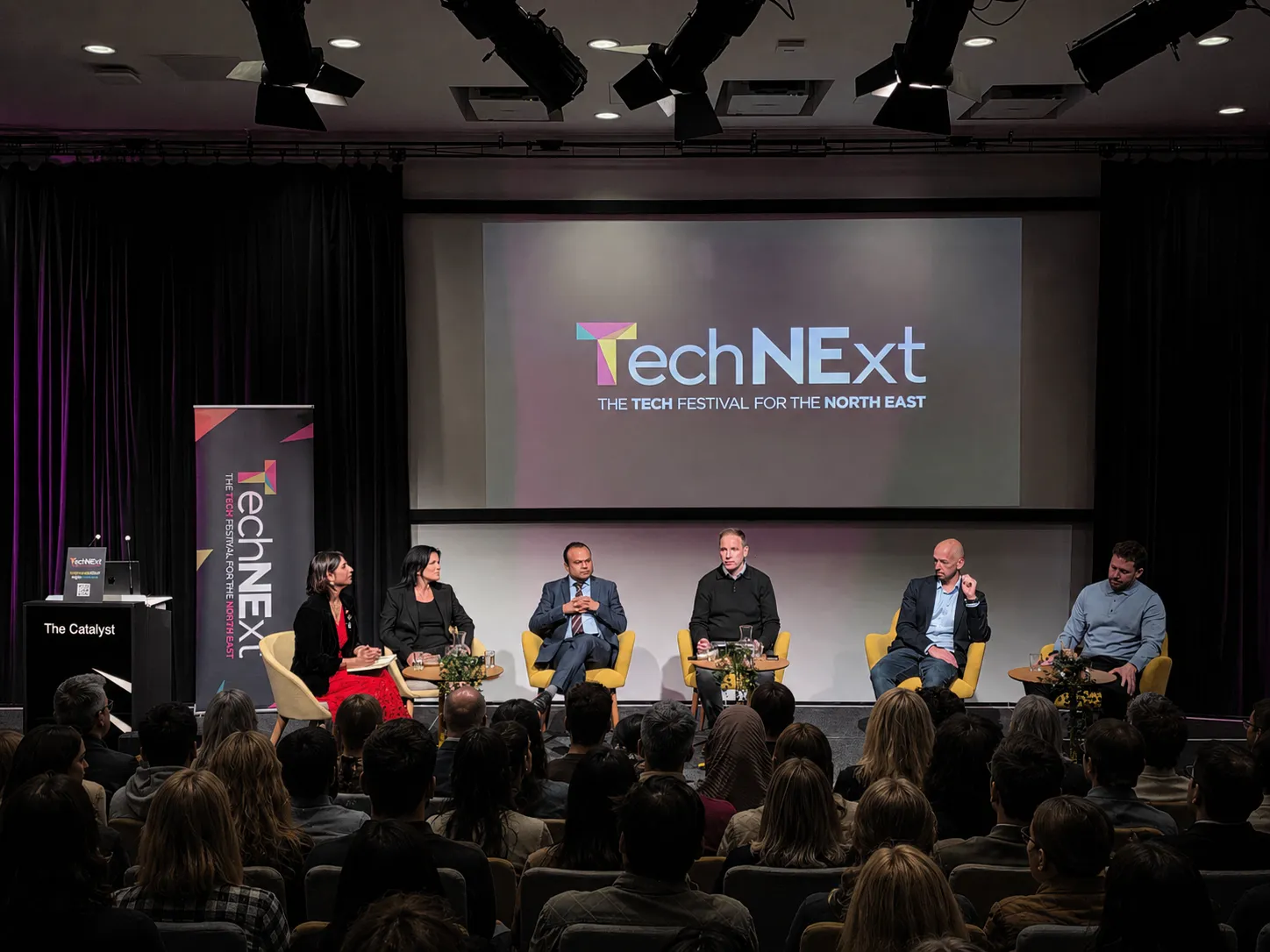
Notes from a Scrumconnect panel at TechNExt 2026. The AI model is the easy part. The hard part is everything around it.
AI is already being used in places that matter, including justice and local services. The point that kept coming up was simple. The model isn’t the hard part. Everything around it is.
The public sector doesn’t get toy problems
The first example was the courts. The backlog is huge, and cases get pushed years down the line. That is rough on victims, and on anyone waiting to be cleared. If AI can read through the case files and turn days of drafting into minutes, that is worth doing. It is a real problem, not a demo.
And that is the difference with public sector AI. If a shopping site suggests the wrong trainers, you shrug. If a benefits or health system gets it wrong, it hits a real person who often can’t afford the mistake. The stakes are higher, so the care has to be too.
Pilots aren’t services
The best point of the day was the gap between trying something and actually running it. Government has tested loads of AI ideas. But 200 pilots is not 200 services. A pilot shows something can work. It doesn’t show it is safe, or that anyone understands it well enough to run it for real.
That is the trap right now. Everyone wants the demo and the look-what-it-did moment. Demos are fine. But a real service needs the dull stuff underneath: data protection, risk checks, monitoring, clear standards, and a person you can actually reach when it breaks.
Without that, you haven’t built a service. You’ve built a problem with a nicer screen on it.
Tactical isn’t a dirty word
The bit I agreed with most was someone defending tactical work. Big strategic AI sounds better in a board paper. But most teams will learn by doing the small, useful jobs first. Summarising consultation responses. Sorting which cases need looking at first. Drafting the routine letters nobody enjoys writing. Clearing the admin so skilled staff can get on with skilled work.
None of that is small if you are the one doing it by hand every day.
The mistake is treating each small job as a big transformation. It isn’t. But stack enough of them up and they add up to something real. That beats waiting around for a perfect AI strategy before anyone is allowed to fix a process that is clearly broken.
It always comes back to people
By the end, everyone kept landing on the same two words. Evidence, and people. Obvious, maybe, but true. AI is moving fast enough that leaders can either hide behind how complicated it is, or admit they need to understand it. Boards need enough knowledge to ask good questions. Delivery teams need room to test properly. Staff need to be part of the change before it gets dropped on them.
The line that stuck with me was that AI isn’t really a technology problem. It is a leadership one. Not because leaders need to be experts in the tech, but because they have to decide what kind of organisation they want to be.
So is AI being used to make things better for the people who rely on these services? Or to patch over the cracks and run a bad process faster? That is the question public sector teams will keep having to answer.
Useful, but only if it’s boring enough
I came away more sure that AI belongs in public services, and less impressed by the loudest people talking about it. The useful work is not the exciting bit. It is the slow, evidence-led work that makes a tool safe enough to use where it really matters.
And that suits the public sector better than people expect. It has had service standards and decent service design for years. It already knows users are not an afterthought. AI doesn’t change that. It just makes it matter more.
Scrumconnect ran a panel on AI in the public sector at TechNExt 2026, the North East tech festival, on 18 June 2026.